Cost Amortization
Reducing the annual cost per use by extending the functional life of high-performance synthetics. Proper care cycles reduce the frequency of replacement by 40%.
Technical protocols for extending the utility of fitness equipment and textiles. Stop premature disposal through calculated maintenance and procurement timing.
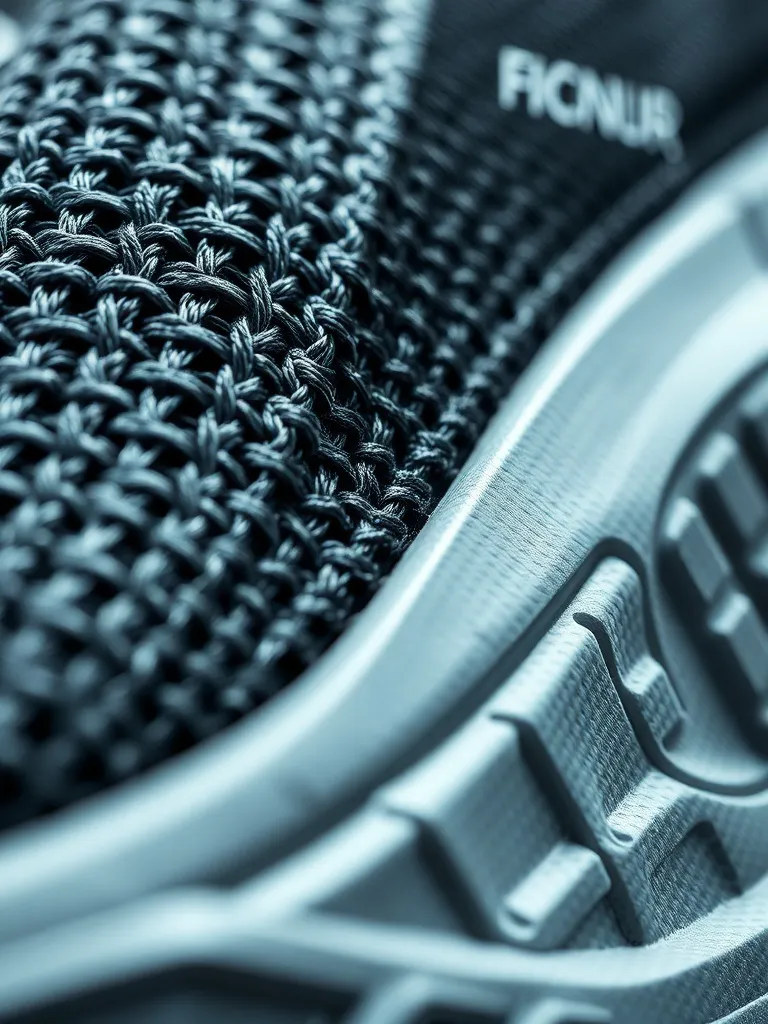
Reducing the annual cost per use by extending the functional life of high-performance synthetics. Proper care cycles reduce the frequency of replacement by 40%.
Maintaining compression levels and moisture-wicking capabilities through chemical-free laundering protocols. Prevents fiber degradation in elastane blends.
A systematic approach to textile disposal. By following mileage-based replacement, athletes avoid injury caused by worn-out structural support in footwear.
Understanding the technical composition of your training gear is the first step toward budget optimization. Most modern activewear relies on a blend of Polyester, Polyamide (Nylon), and Elastane. Polyester provides the structural skeleton and colorfastness, while Elastane (Spandex) offers the necessary four-way stretch for dynamic movement. However, Elastane is highly susceptible to heat and chemical damage, which leads to "bagging out"—the permanent loss of shape that renders compression gear useless.
To evaluate quality before purchase, check the GSM (Grams per Square Meter) rating. For leggings and support tops, a GSM between 250 and 320 indicates a high-density knit that will withstand repeated friction and tension. Lower density fabrics (under 200 GSM) are prone to pilling and transparency after fewer than 20 wash cycles. Investing in higher GSM fabrics may cost 20% more upfront but offers a 200% increase in total wear-hours.
"The true cost of a technical garment is calculated as: (Purchase Price + Maintenance Cost) / Total Number of Training Hours. A $100 shirt worn 200 times is cheaper than a $20 shirt worn five times."
Athletic footwear is a consumable resource with a finite mechanical lifespan. The midsole foam, typically composed of EVA (Ethylene Vinyl Acetate) or TPU (Thermoplastic Polyurethane), loses its energy return properties long before the outsole shows visible wear. For runners and high-impact athletes, the standard replacement window is between 300 to 500 miles (480–800 km). Beyond this point, the degradation of shock absorption increases the vertical loading rate on joints, significantly raising the risk of stress fractures and plantar fasciitis.
Midsole compression sets in, reducing impact protection by approximately 30%.
Lateral support structures fatigue, compromising ankle stability during pivots.
To optimize your budget, track mileage using a digital log or specialized app. You can find more about tracking your activities in our Fitness Cost Optimization guide. Rotating between two pairs of shoes allows the foam to fully decompress between sessions, effectively extending the cumulative lifespan of both pairs by 15-20% compared to using a single pair daily.
Action: Moisture Removal.
Never leave damp gear in a closed gym bag. Bacteria thrive in anaerobic, humid environments, leading to permanent odors (permastink). Air-dry all items immediately, even if they aren't being washed until later. For footwear, remove insoles to ensure internal drying.
Action: Chemical & Thermal Control.
Wash technical fabrics in cold water (30°C max). Heat is the primary enemy of Elastane. Avoid fabric softeners at all costs; they leave a waxy coating that clogs the fabric's pores, destroying breathability and moisture-wicking capabilities. Use a specialized sports detergent designed to break down body oils.
Action: Preservation.
Tumble dryers are responsible for 80% of premature athletic wear failure. The high heat causes micro-fractures in synthetic fibers. Hang-dry gear away from direct sunlight, as UV rays can also degrade nylon fibers over time. Store compression gear flat rather than hanging to prevent vertical stretching.
Procurement timing is the most effective way to manage your gear budget. The fitness industry operates on a strict biannual release schedule. Major brands typically clear inventory in January (post-holiday) and July (mid-year transition). By purchasing previous-generation models during these windows, you can acquire high-spec technical gear at 40-60% discounts.
Consolidating your purchases during these periods allows you to maintain a high standard of equipment without the "new release" premium. For more strategies on managing your health-related expenses, refer to our Nutrition Cost Control section, which applies similar bulk-purchasing logic to dietary requirements.
| Quarter | Target Category | Expected Discount |
|---|---|---|
| Q1 (Jan-Feb) | Winter Outerwear & Compression | 50% - 70% |
| Q2 (May-June) | Previous Year Footwear Models | 30% - 40% |
| Q3 (Aug-Sept) | Summer Training Apparel | 40% - 60% |
Apply these technical standards to your current inventory and plan your next procurement phase using our systematic guides.