Zero Subscription
Most fitness apps charge for the delivery mechanism, not the content. By sourcing raw data from open-source libraries, you bypass the monthly $15-$30 fee while maintaining the same technical quality.
Eliminate recurring subscription costs. Learn how to source, adapt, and manage high-quality training protocols using open-source data and systematic self-programming.
Most fitness apps charge for the delivery mechanism, not the content. By sourcing raw data from open-source libraries, you bypass the monthly $15-$30 fee while maintaining the same technical quality.
Transitioning from personal sessions to group units or self-led blocks reduces the cost per training hour by up to 80%. We focus on the math of skill acquisition versus supervision costs.
Owning your training logs and programming logic ensures long-term progress. Digital tools for video analysis allow for remote technical correction without the overhead of on-site coaching.
The fitness industry often repackages basic physiological principles into proprietary systems. Open-source programming involves utilizing peer-reviewed protocols and public strength databases that are available without licensing fees.
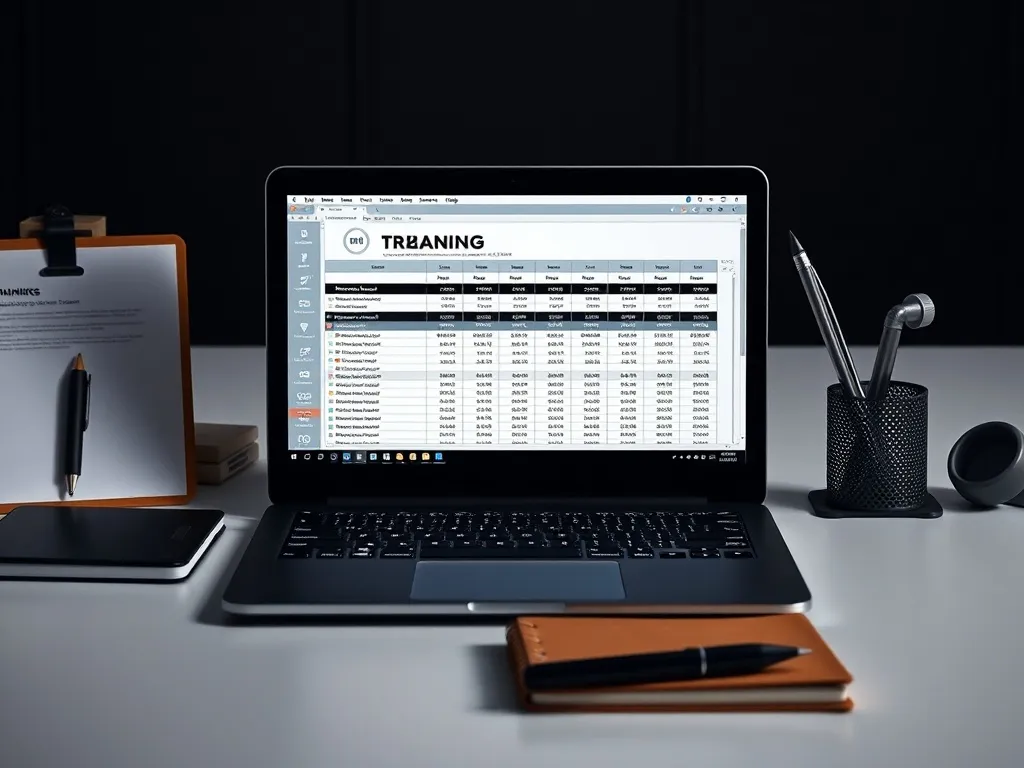
High-level athletic programs for powerlifting, endurance, and hypertrophy are frequently published by academic institutions and professional coaches as public goods. Accessing these requires a shift from "app-based consumption" to "document-based execution." By utilizing spreadsheets and markdown files, you retain full control over the variables.
When expert guidance is necessary, the delivery format dictates the financial efficiency. Group training units distribute the cost of the professional's time across multiple participants, lowering individual expenditure while maintaining technical oversight.
A standard 1-on-1 session might cost $80-$150. A semi-private or small group session (4-6 people) typically drops to $25-$40. Over a 52-week training cycle, this transition saves approximately $4,500 while providing the same "eyes-on" technical feedback required for complex movements.
For more on managing hardware costs alongside these training formats, see our guide on Gear and Apparel Life-cycle.
Determine your primary objective for the next 6-12 months. Whether it is hypertrophy, metabolic conditioning, or absolute strength, the macrocycle provides the financial roadmap for what equipment or coaching units will be required.
Break your year into 4-8 week blocks. This allows for specific focus and prevents "program hopping," which is a major source of wasted gym memberships and unused digital subscriptions. Consistency in programming reduces the need for "novelty" purchases.
Use objective metrics (RPE, bar speed, or heart rate recovery) to adjust the program. Self-auditing replaces the need for an expensive middleman to tell you when to increase weight or take a deload week.
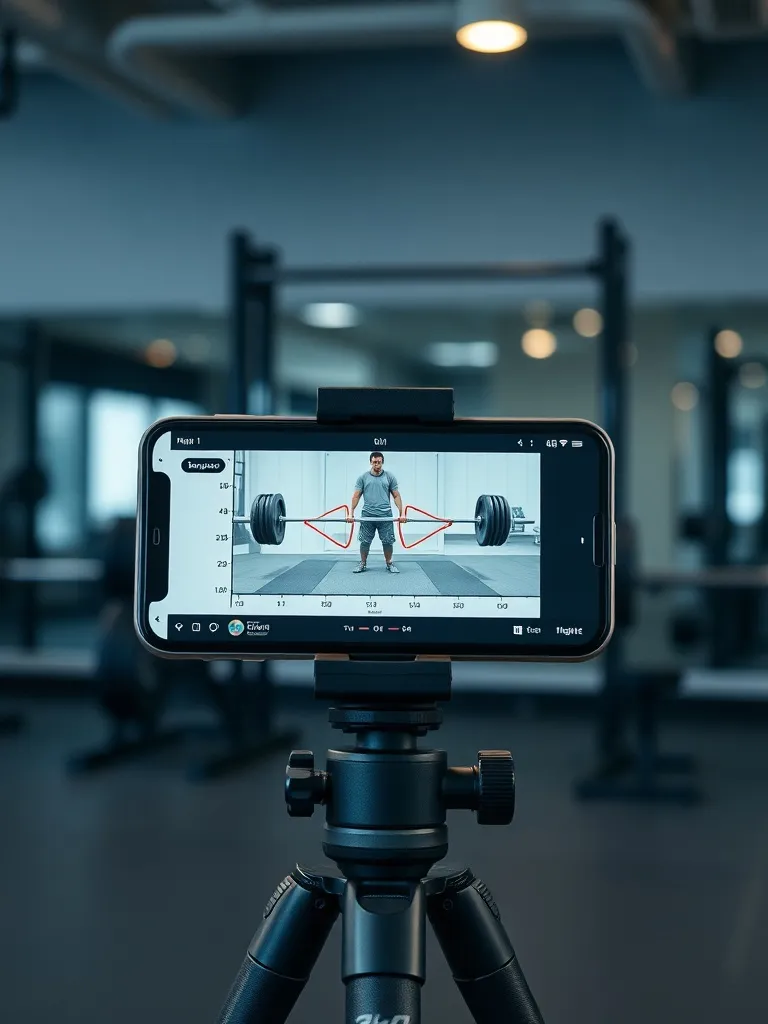
Technical errors lead to injury and wasted time. Instead of paying for an in-person coach to watch every set, utilize free or one-time purchase video analysis software. Apps like WL Analysis or simple slow-motion capture allow you to overlay bar paths and joint angles.
By recording your top sets and comparing them against professional technical models found in open-source libraries, you perform your own biomechanical audit. This "asynchronous coaching" model is the most cost-effective way to master complex movements like the snatch or conventional deadlift.
"The camera does not lie, and it doesn't charge an hourly rate. Use it to bridge the gap between felt-sense and actual mechanics."

Stop paying for delivery and start investing in the data. Combine your programming strategy with smart Nutrition Cost Control for a fully optimized lifestyle.
Return to Strategy HubOnly essential content — no spam.