Average Annual ROI
Calculated based on a $2,500 initial investment replacing a $120/month commercial membership including commute costs.
Professional analysis of fitness equipment as a long-term asset. We calculate depreciation, space utility, and the break-even point against commercial memberships.
Calculated based on a $2,500 initial investment replacing a $120/month commercial membership including commute costs.
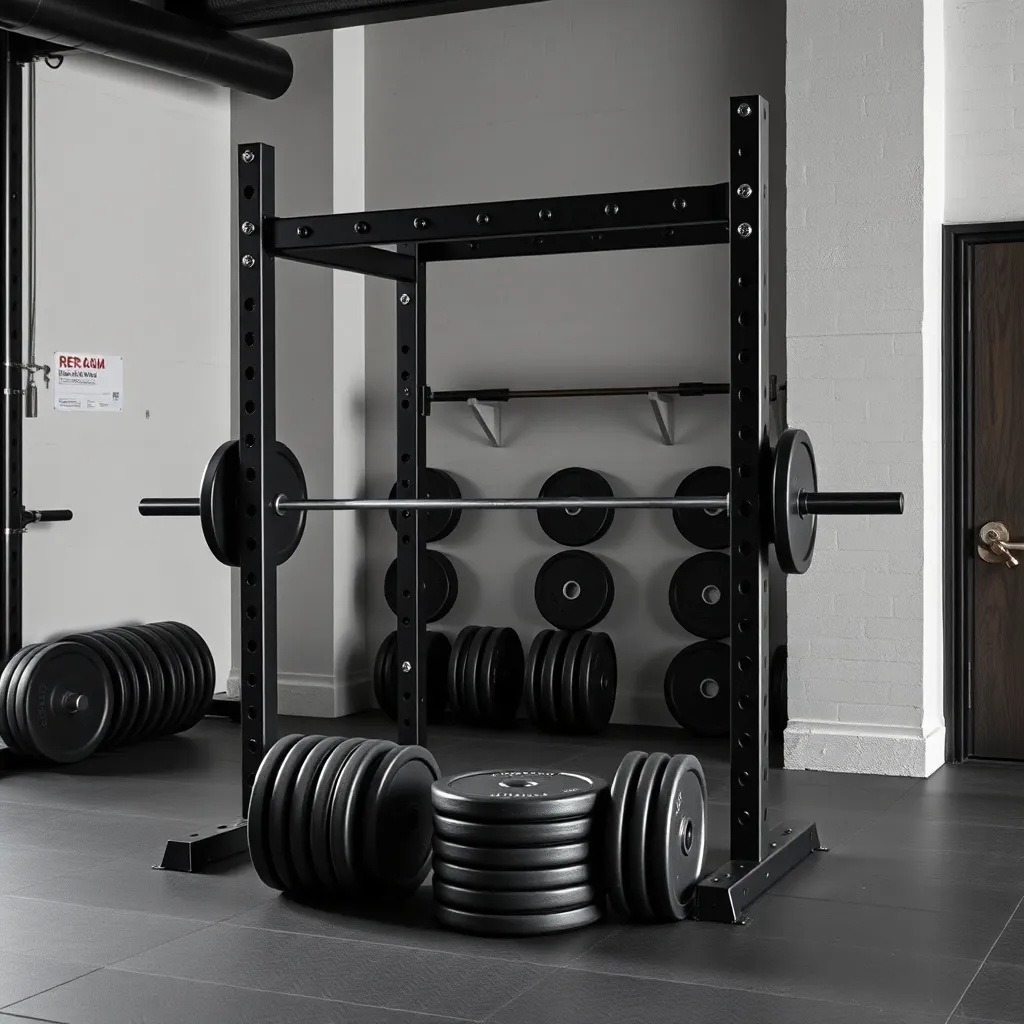
High-grade cast iron and steel components maintain 90%+ value over a decade, unlike electronic cardio machines.
The typical timeframe where the saved cost of membership fees fully offsets the hardware acquisition cost.
A 3x3" 11-gauge steel power rack is the primary structural investment. It replaces the need for five separate machines by facilitating squats, presses, and pull-ups. When sourcing, focus on hole spacing (Westside spacing) to ensure micro-adjustability for different limb lengths and movements.
Buying a rack with a high weight capacity ensures it grows with your strength levels, preventing the need for a secondary upgrade in 2-3 years. This is a "buy once, cry once" asset.
A quality 20kg barbell with needle bearings or bushings is essential for joint health and movement mechanics. Avoid "beginner kits" often found in big-box stores; the steel tensile strength is usually insufficient for long-term heavy use.
An adjustable bench (FID - Flat, Incline, Decline) expands the utility of your barbell and rack. Complement this with 3/4 inch recycled rubber stall mats. These mats protect the subfloor and the equipment from impact damage, significantly slowing the Fitness Cost Optimization curve by preventing structural repairs.
Understanding how your equipment loses value over time compared to other household assets.
Cast iron plates and steel racks depreciate at roughly 2-5% per year. Their utility does not diminish with age, and the secondary market remains highly liquid.
Treadmills, rowers, and smart screens depreciate at 15-25% per year due to software obsolescence and mechanical wear on motors and belts.
Strategic Insight: To maximize your Training Program Sourcing efficiency, invest 80% of your budget into hard assets. This ensures that if you ever need to liquidate, you can recover the majority of your capital. Electronic equipment should be considered a "sunk cost" rather than an investment.
Acquiring professional-grade equipment at 40-60% of retail price through strategic procurement.
Gyms closing down often sell bulk lots. Focus on purchasing heavy dumbbells and specialized machines that are indestructible in a home setting.
Read Sourcing GuideCertified refurbished rowers or bikes often come with a renewed warranty. This bridges the gap between high-cost new gear and high-risk used gear.
Maintenance TipsThe "New Year's Resolution" fallout in March and April is the peak time to find barely-used equipment at significant discounts on local marketplaces.
Program Sourcing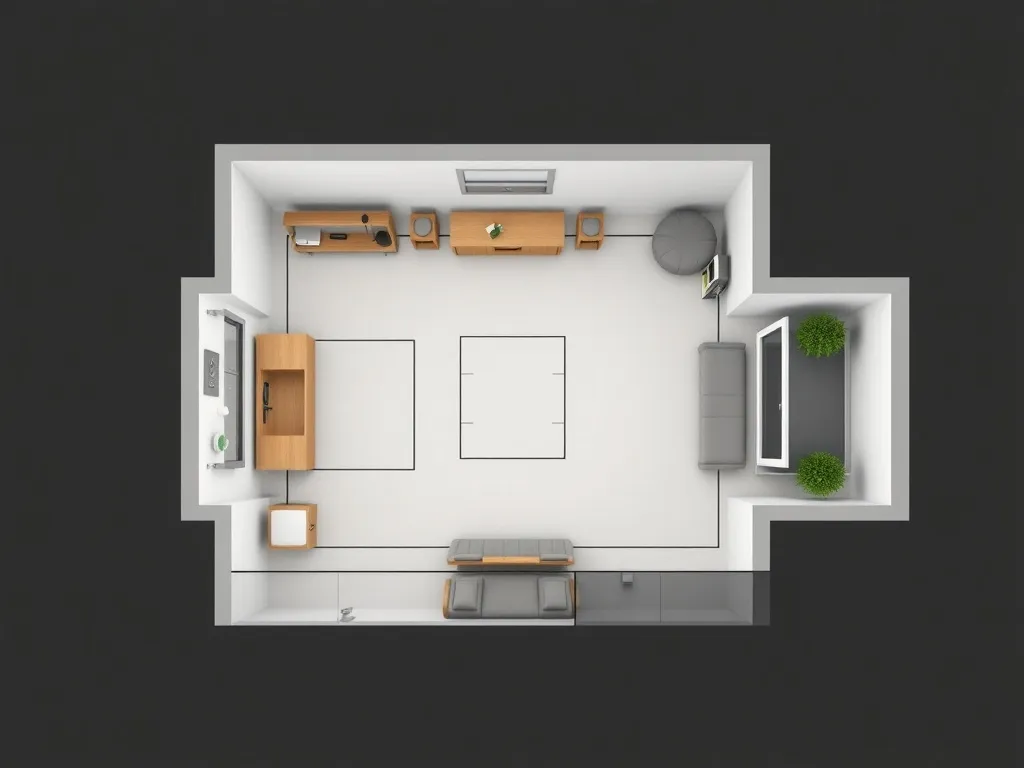
In a home environment, every square foot has a rental or mortgage value. A standard 10x10 ft room (100 sq ft) must justify its use. We recommend a target of $25 of equipment value per square foot.
Wall-mounted racks and folding benches can increase usable floor space by 40% when the gym is not in use, allowing the room to serve as a home office or guest space. This "dual-utility" increases the overall ROI of the property.
Stop overpaying for access. Start investing in assets. Download our full depreciation calculator and sourcing map today.